
How Small Drips Lead to Thousands in Structural Damage
Protect Your Home Before It’s Too Late
Mistaking Visible Stains for the Entire Problem
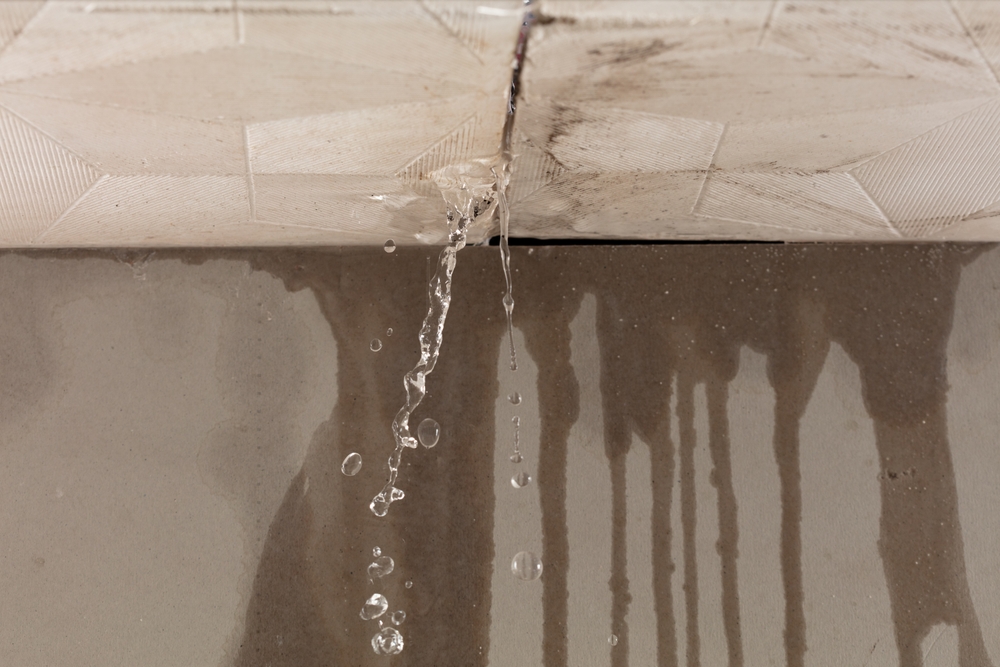
A dime-sized water stain on your ceiling rarely indicates a dime-sized leak. By the time water penetrates drywall and becomes visible, it has already saturated insulation, traveled along joists, and pooled in hidden cavities. In Forney’s humid climate, that trapped moisture creates the perfect breeding ground for mold within 48 hours. Many homeowners watch a small spot for weeks, believing it’s stable, while the unseen damage spreads across framing members and soaks through insulation batts. What starts as a $300 roof leak repair turns into a $4,000 job requiring rafter replacement, mold remediation, and new insulation once the ceiling finally gives way during a summer storm.
Delaying Repairs Until Damage Becomes Obvious
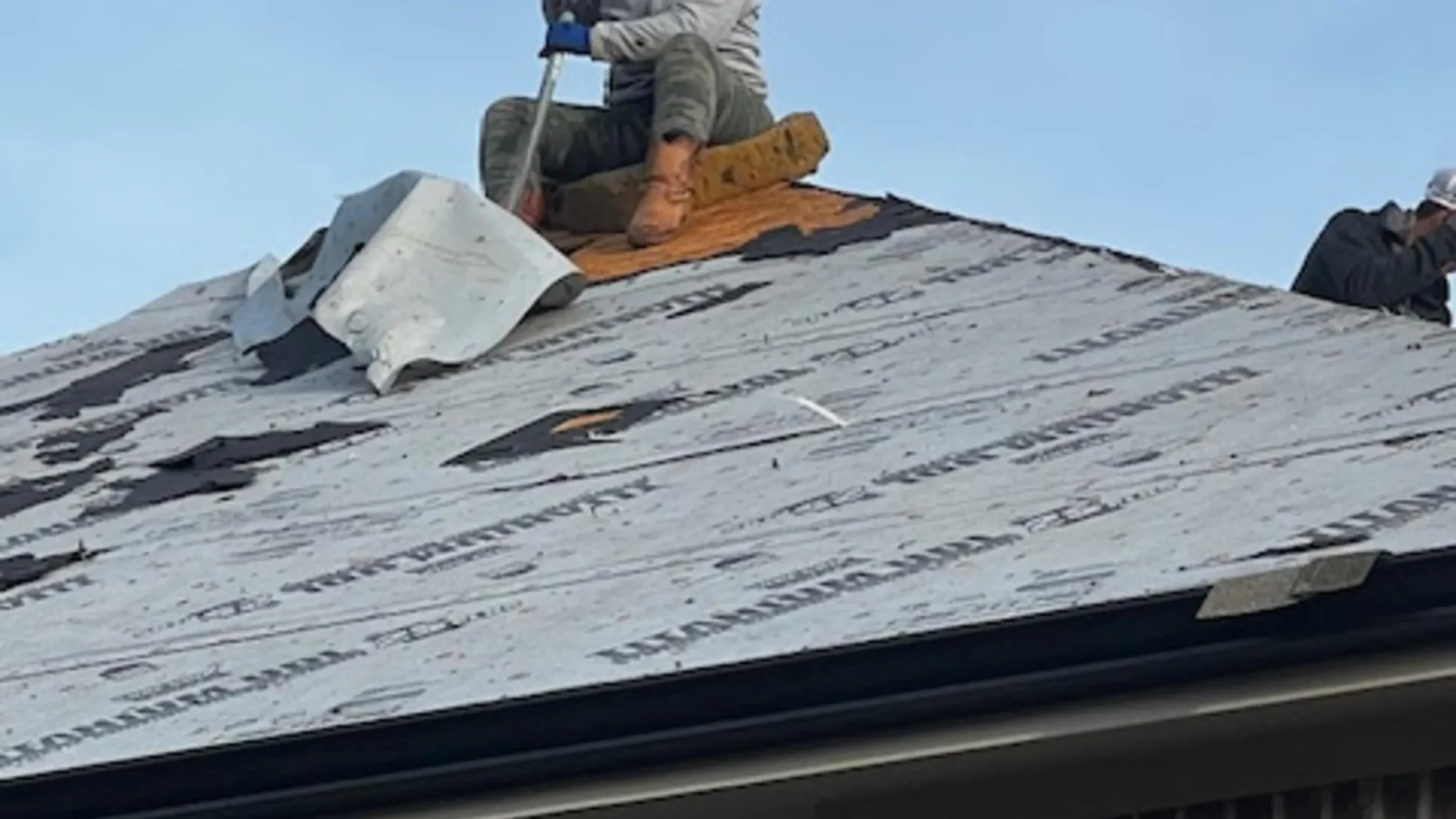
Slow ceiling leaks do not heal themselves, and the damage accelerates exponentially over time. A leak that drips only after heavy rain will soon drip after light showers, then during morning dew evaporation. North Texas temperature swings cause roofing materials to expand and contract, widening every gap and crack. Homeowners who postpone a simple shingle replacement often face structural wood rot that compromises the entire roof deck. The cost difference between early intervention and delayed response averages $3,200 in our service area. Scheduling a roof inspection at the first sign of moisture prevents the cascading failures that require emergency tarping, interior demolition, and temporary housing arrangements while repairs are completed.
Patching Symptoms Instead of Identifying the Cause
Coating a ceiling stain with primer or caulking a suspected crack addresses the symptom, not the source. Water follows the path of least resistance, meaning the entry point on your roof may be several feet away from where the stain appears below. Forney homeowners often patch interior ceilings multiple times before discovering the real culprit: damaged flashing around chimneys, deteriorated valleys, or clogged gutters forcing water under shingle edges. Each failed DIY attempt adds another layer of wet material that traps moisture and accelerates decay. A trained eye during a roof repair can trace the water path in minutes, identifying valley problems, missing shingles, or gutter services needs that surface fixes never address. Stopping water at the entry point costs hundreds; fixing the interior aftermath costs thousands.
Expecting Insurance to Cover Neglected Leaks
A leak above the garage, guest room, or storage closet feels less urgent than one over the living room or kitchen. But water does not respect room boundaries. Once moisture enters your attic, it spreads along insulation and drips onto wiring, creating fire hazards and shorts that trip breakers. It seeps into wall cavities, rotting studs that bear structural loads throughout your home. In our climate, a neglected guest-room leak can compromise ceiling joists that support your HVAC system, leading to air handler collapse and ductwork damage. Insurance adjusters regularly deny claims for gradual damage that homeowners knew about but chose to ignore. Whether the stain is above your bed or your lawnmower, the same ceiling leak repair protocol applies: stop the water, dry the cavity, and restore the barrier before secondary damage multiplies your costs and voids your coverage.
Skipping Regular Roof Inspections After Storms
Homeowners insurance typically covers sudden, accidental water damage but excludes losses caused by deferred maintenance or neglect. When adjusters inspect a claim, they examine the leak’s timeline and the homeowner’s response. A ceiling stain that has yellowed, expanded, or been painted over signals long-term neglect, giving insurers grounds to deny the claim. In Texas, where hail and wind storms trigger thousands of legitimate roof claims each year, carriers scrutinize chronic leaks carefully to distinguish covered perils from maintenance failures.
Documenting the first sign of water intrusion and arranging prompt roof repair services establishes that you acted responsibly. A timely inspection report showing storm damage rather than wear provides critical evidence for claims processing. Waiting until rot, mold, or structural failure forces your hand transforms a covered event into an out-of-pocket expense. The difference between a paid claim and a denial often comes down to whether you addressed the leak within weeks or ignored it for months.
