
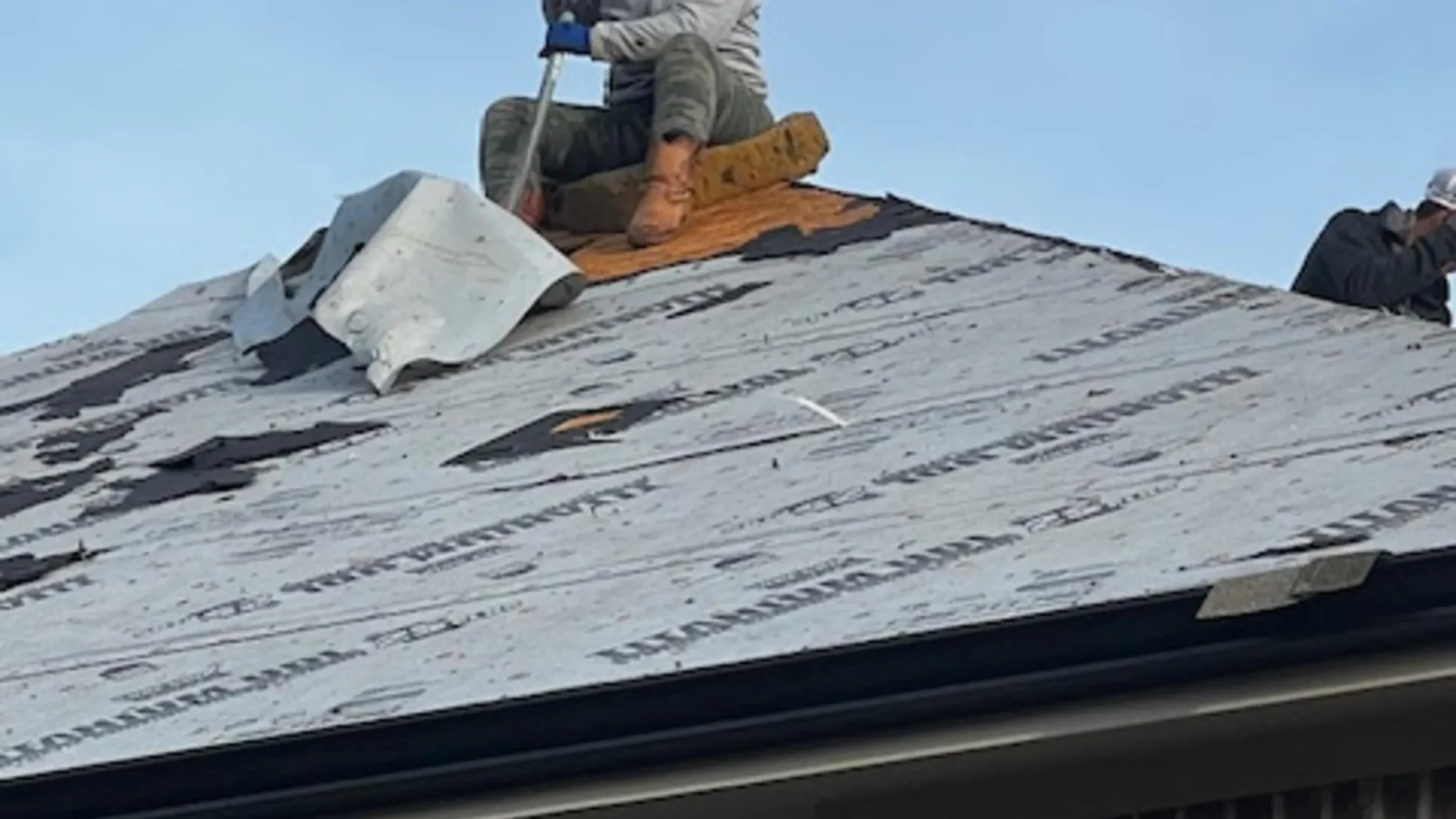
Ignoring early warning signs while hidden structural damage spreads
Ignoring that brown stain spreading across your ceiling might feel like the easier choice today, but it’s costing you hundreds, sometimes thousands, more with every passing week. What starts as a minor roof leak repair becomes a full-blown restoration project once water saturates insulation, rots framing, and invites mold into your North Texas home.
The mistake isn’t just delaying the fix; it’s underestimating how quickly water damage compounds in our humid DFW climate. A ceiling leak doesn’t pause or slow down. It accelerates. By the time homeowners finally call for ceiling leak repair, they’re often facing drywall replacement, structural reinforcement, and mold remediation bills that dwarf the original repair quote.
Understanding the true cost of waiting helps you see that stain for what it really is: a warning light on your home’s dashboard that demands immediate attention, not a problem you can circle back to next month. Every day that water continues seeping through your roof adds another layer of damage to materials you can’t see. Insulation becomes waterlogged and loses its thermal efficiency. Wood framing absorbs moisture and begins the slow process of decay. Electrical wiring housed in ceiling cavities faces potential exposure to moisture, creating safety hazards that go far beyond cosmetic concerns.
In the Dallas-Fort Worth area specifically, our weather patterns make delayed repairs especially punishing. Summer afternoon thunderstorms can dump an inch of rain in under thirty minutes, and each storm event pushes more water through that compromised section of your roof. Between storms, attic temperatures regularly exceed 140 degrees during July and August, creating a humidity trap where moisture can’t escape. This cycle of saturation and heat accelerates every form of deterioration, from mold colonization to wood rot, turning what could have been a straightforward shingle replacement into a multi-trade restoration project.
Homeowners who wait also lose the advantage of choosing their timing. When you address a leak proactively, you control the schedule and can compare quotes from multiple contractors. When you wait until the ceiling is sagging or mold is visible, you’re in crisis mode, often accepting the first available crew at whatever price they quote because the damage can no longer be ignored. This reactive approach consistently costs 40 to 60 percent more than the same repair performed at the first sign of trouble.
The financial impact extends beyond the immediate repair. Insurance premiums can increase after a major water damage claim, and some carriers will exclude future water damage coverage on homes with a history of leak-related claims. Your home’s resale value takes a hit if potential buyers discover evidence of past water intrusion during inspection, even if you’ve since completed repairs. Disclosure requirements in Texas mean you’ll need to document any significant water damage, and savvy buyers will either negotiate the price down or walk away entirely if they suspect ongoing moisture problems.
These compounding costs all trace back to one decision point: the moment you first noticed that stain and chose to wait rather than act. Breaking that pattern starts with understanding what’s really happening behind your ceiling and recognizing that visible water stains represent only a fraction of the total moisture present in your roof system and attic space.
Treating the Stain Instead of the Source
The biggest financial trap homeowners fall into is treating ceiling leak repair like a cosmetic issue. They see a stain, maybe set out a bucket during the next storm, and convince themselves it’s under control. Meanwhile, water is traveling through insulation, wicking along ceiling joists, and soaking into drywall in spaces you can’t see.
In the DFW area, where summer humidity often pushes past 70%, moisture doesn’t evaporate from hidden cavities. It lingers, creating the perfect breeding ground for mold spores and wood-destroying fungi. The $400 shingle replacement that could have stopped the leak in week one becomes a $3,500 project involving ceiling removal, insulation replacement, and anti-microbial treatment by month three.
Insurance adjusters know this timeline well. When they inspect your claim and find evidence of prolonged water exposure, mold colonies, or rotted framing, they’ll scrutinize whether you acted promptly. Delayed ceiling leak repair often triggers coverage disputes, partial denials, or claim rejections based on maintenance neglect, leaving you responsible for costs that insurance should have covered.
Underestimating How Fast Water Damage Spreads
Homeowners often assume a small leak equals a small bill, so they push it down the priority list. It’s an expensive miscalculation. Water damage spreads laterally through ceiling cavities, following the path of least resistance across joists and insulation batts. What begins as a quarter-sized stain above your hallway can travel fifteen feet in any direction before you notice the next visible sign.
By the time you schedule that roof repair service, the roofing contractor discovers saturated insulation compacted to half its thickness, ceiling drywall sagging under water weight, and wood framing showing early rot. The repair scope balloons from patching a few shingles to replacing plywood decking, reframing sections of the roof structure, and coordinating drywall contractors for interior restoration.
This is where partnering with a restoration company experienced in both roofing and interior work pays off. Instead of juggling three separate contractors over two months, you get one team managing roof leak repair and the resulting ceiling damage in a coordinated timeline, cutting your total downtime and keeping costs predictable.
Waiting Too Long to File an Insurance Claim
Filing an insurance claim weeks or months after you first noticed a leak creates red flags that adjusters are trained to spot. Carriers expect prompt reporting of storm damage and immediate steps to prevent further loss. When they find dried water rings layered over fresh stains, or mold growth that clearly took weeks to establish, they’ll question whether the damage resulted from a sudden covered event or long-term neglect.
This distinction isn’t academic; it determines whether your claim gets paid or denied. Many North Texas homeowners have discovered too late that their procrastination gave the insurance company grounds to reduce or refuse their claim, sticking them with bills that dwarf the original ceiling leak repair cost.
Smart claims processing starts the moment you spot the stain. Document it with photos, note the date and weather conditions, and contact a roofing company qualified to provide a timely inspection report. This creates a defendable timeline showing you acted responsibly, which protects your coverage and strengthens your negotiating position if the adjuster pushes back on scope or pricing.
